
Monongalia County Property Search Route
Start with the key already in your hand. A street address opens the Assessor's parcel database fastest. Owner names can pull up several parcels. A full parcel ID narrows a search across offices. The County Assessor runs both a county database and the statewide West Virginia Assessment search. The WV Property Viewer layers on map location, flood information, and delinquent tax status. Once the parcel card hands you a name or a book and page, the County Clerk's IDX confirms the recorded instrument.
Keep the address, parcel number, and legal description together as you move between systems. The state viewer can lag. Its assessment data refreshes annually, so a recent sale may still show the prior owner of record. A result page is only a lead. It does not settle title or mark a boundary on the ground.
- Search the Monongalia Assessor parcel database with the street name, city, or owner name.
- Save the parcel ID and any book or page reference shown with the result.
- Use the County Clerk IDX to search the latest deed by grantee, then check the grantor chain if history matters.
- Compare the parcel in the WV Property Viewer and use the Sheriff Tax Office for a bill or payment question.
- Ask the custodian for a counter copy, mailed filing, or public-records response when a needed record is not online.
Monongalia County Records Offices
No single office holds all Monongalia County property records. The County Clerk records deeds and other land instruments. The Assessor keeps the tax parcel and value roll. The Sheriff Tax Office bills and collects property taxes on that roll. Each office runs its own online route, phone line, and counter. The links below lead to the official custodian pages, so a search can move from a summary to the office that confirms it.
Monongalia County Clerk
Courthouse Room 123, 243 High Street
Morgantown, WV 26505-5491
304-291-7230
Monongalia County Assessor
Courthouse Room 335, 243 High Street
Morgantown, WV 26505
304-291-7222
Monongalia County Sheriff Tax Office
Courthouse Room 300, 243 High Street
Morgantown, WV 26505
304-291-7244
Monongalia County Clerk Index
The County Clerk's IDX sorts records into Deeds, Liens, Estates, UCCs, Marriage, Birth, Death, Minutes & Orders, and Miscellaneous. Land searches narrow by party role, document type, and book family. Each family holds its own book series. Grantor means the conveying party. Grantee is the one receiving the interest. A result grid can show the date, document, book and page, page count, name, cross date, and instrument. Book and page still anchor every instrument. The oldest online year and image fees are best confirmed with the Clerk. Ask whether copies need a login or payment.
The index covers far more than sale deeds. Easements, rights of way, leases, lis pendens, mechanic's liens, tax liens, estate liens, plats, trustee sales, tax deeds, transfer-on-death filings, and affidavits of heirs can all affect a parcel. Locate the reference online first. Then ask the Clerk's document-recording office for a copy, in person or by mail. Mailed filings follow the office's published recording instructions.
The Monongalia County Clerk IDX search shows the index and book controls used for that first pass.
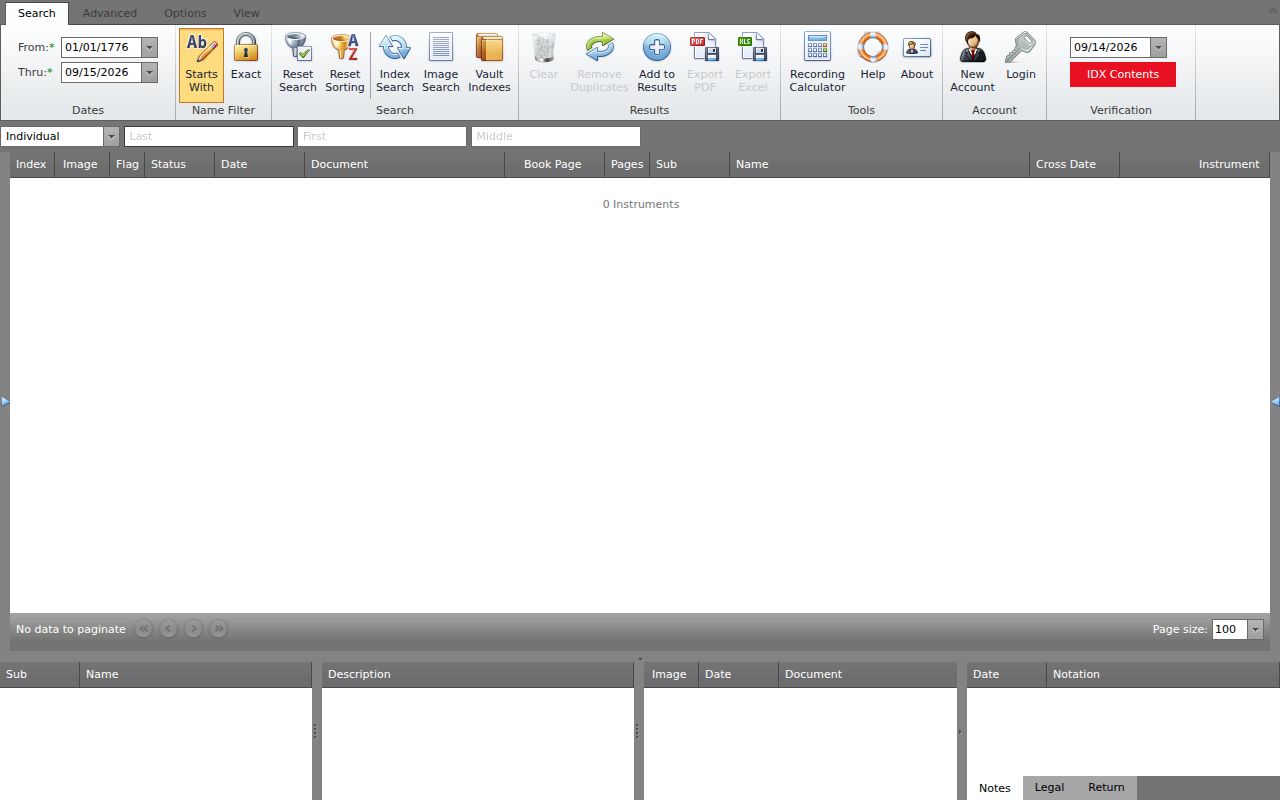
Book, page, date, and instrument values point the way. They are a path to the filed document, not a substitute for reading it.
Monongalia County Property Record Types
One parcel can surface in several Monongalia County property records. The County Clerk, Assessor, Sheriff, and courts each record different events. A deed documents a conveyance. A deed of trust or lien records a claim or security interest. The tax card describes the assessed parcel. The tax office account tracks bills and payments. Municipal permits and zoning records add local land-use context. They never replace the county deed record.
| Record Type | What It Documents | Kept By | Access |
|---|---|---|---|
| Deeds and deeds of trust | Transfers, loans, releases, and recorded legal descriptions | County Clerk | IDX, counter, or mailed copy request |
| Liens, plats, and estates | Claims, lot layouts, fiduciary filings, and probate transfers | County Clerk and courts | IDX, book search, and clerk copies |
| Assessment card | Owner-of-record roll, parcel details, class, and values | County Assessor / WV Tax Division | County database and state search |
| Tax bill and delinquency | Charges, payment status, and delinquent sale process | Sheriff Tax Office | Tax service or office contact |
| Parcel map and municipal permit | Tax-reference geometry, flood layers, zoning, and project history | WV GIS / city or town | Viewer, map, portal, or custodian request |
For a transfer, start with the deed record and its legal description. For value or class, use the Assessor. For the amount due, visit the Sheriff Tax Office. The Monongalia County deed-records instructions explain the index and copy route, though a tax account is not a title record.
Monongalia County Assessment Cycle
West Virginia sets assessed value at about 60 percent of fair market value. The County Assessor handles ordinary residential and commercial parcels. The state handles natural-resource, industrial, and public-service property. Inspectors visit real property once every three years. Annual adjustments track value changes between visits. The Tax Division's valuation date is July 1. The Monongalia County assessor has announced field reviews for Tax Year 2027 in several districts, including Star City and multiple Morgantown wards.
Read any displayed value with its class, date, and sale history. Context changes what a number means. The statewide Assessment service offers Basic, Appraisal/Sales, Advanced, and Prior Ownership modes. Its fields cover parcel, owner, property class, land and building values, acreage, sale date and price, flood hazard, mailing address, deed book and page, and legal description. No current Monongalia appeal form or Board of Review calendar is posted centrally. Rely on the Assessor's current notice. Ask the office directly for the filing deadline rather than an old date.
| Assessor control | Search type | Local use |
|---|---|---|
| District, Map, Parcel, Parcel Range | Dropdown and number/text ranges | Find a known tax-map identifier or group. |
| Last Name, First Name/M, Business | Name and checkbox | Search a person or business record. |
| Development, Street Name, City | Dropdown and text | Locate a named development or street block. |
| Deed Type, Date From/Through | Dropdown and date ranges | Narrow a transfer or sale-history result. |
| Sale Price, Acreage, Book, Page, Area | Range and text fields | Filter by transaction, land amount, or record reference. |
| Life Estate, Minerals, Not Mapped, Void, Duplicate | Special criteria | Flag records that may need a second look. |
The Monongalia Assessor parcel database powers the county search controls here. For a second angle on a Monongalia County parcel, the West Virginia Assessment search lets you compare sale and appraisal fields across the state.
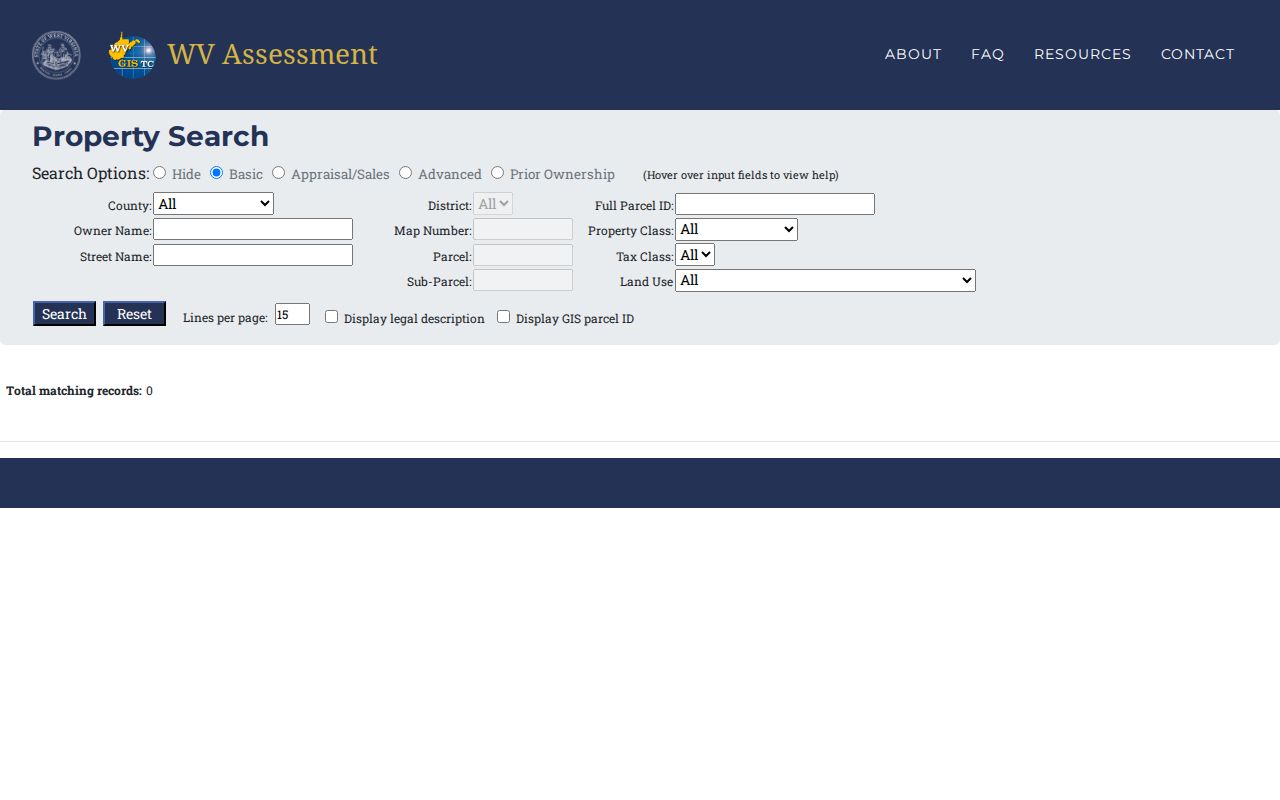
A statewide screen can help you locate the right parcel in Monongalia County. Corrections, though, go to the County Assessor.
Monongalia County Parcel Mapping
The WV Property Viewer combines E-911 address search, parcel attributes, and geometry search. Its parcel detail can show community, address, flood information, delinquent status, owner, physical address, building details, cost values, appraised values, and a link to the assessment report. Map tools include identify or highlight, copy link, KMZ download, CSV export, and a geometry buffer control. Parcel outlines appear at closer map scales. Those details make the Viewer useful for finding a tax parcel and its nearby map context, while the assessor database remains the county route for parcel corrections.
Monongalia parcel IDs have six parts and begin with county code 31. A full example is 31-05-0007-0031-0015-0000; a GIS form omits the special ID, and other systems can show a shorter district-map-parcel label. Use the exact ID returned by the portal rather than trying to convert the abbreviated form by eye. Surface parcels are shown; the public Viewer does not give a complete mineral-title map.
Open the WV Property Viewer to see its parcel-detail panel and map controls.
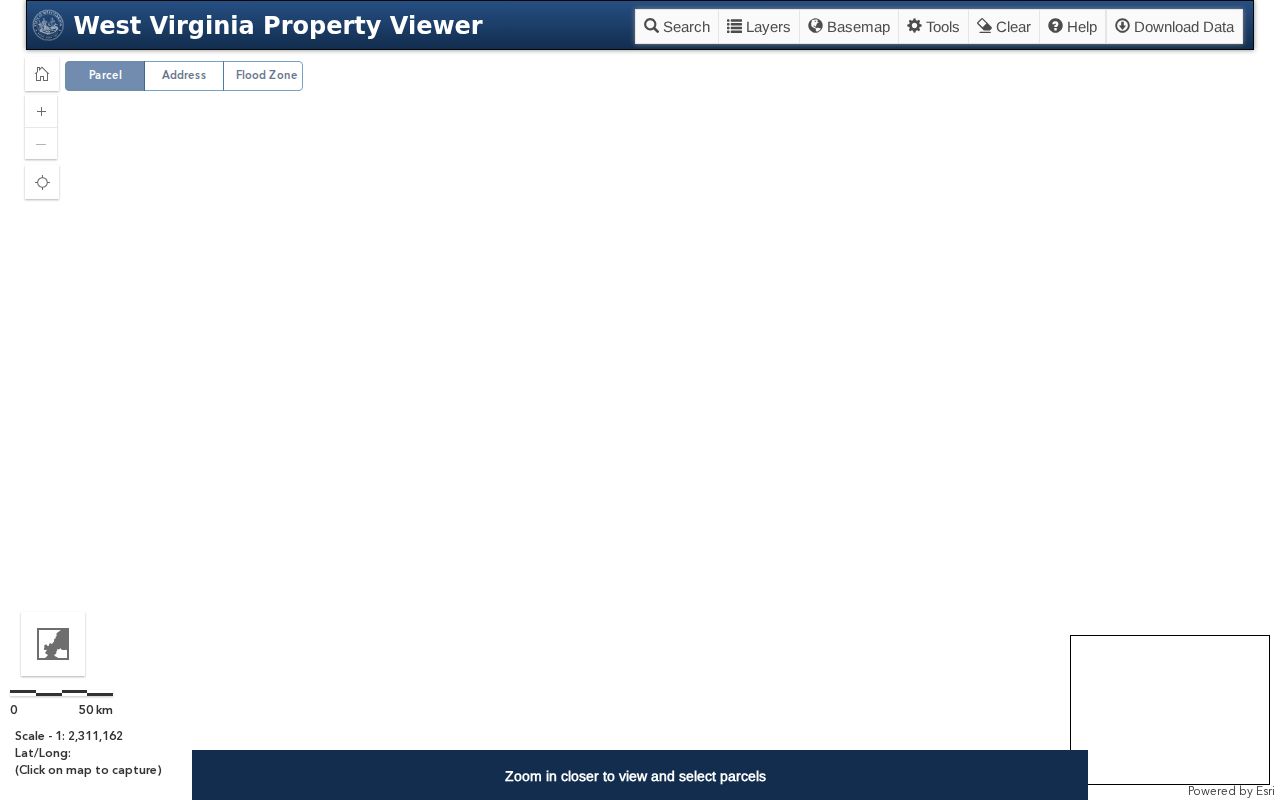
These lines are tax references, not legal boundaries. When a property line matters in Monongalia County, rely on the deed or a licensed survey.
Monongalia County Tax Bills
The Sheriff Tax Office collects real and personal property taxes in Monongalia County. Statements go out in July. Delinquent real estate taxes go to sale in November. The office sits in Courthouse Room 300 at 243 High Street and answers at 304-291-7244 during weekday office hours. Its page links to an online tax search and payment service. Account fields and fees appear inside the service. Use the portal for balances. Bring payment or sale-process questions straight to the Sheriff.
A delinquent-tax lead is not a completed transfer. The state Viewer's delinquent-land layer updates weekly, and the Clerk's index carries delinquent-land records, deputy commissioner sale reports, redemption records, and tax deeds. Foreclosure adds its own trail. Circuit court, lis pendens, a substitute trustee, a trustee sale, and a later deed can all figure in. Check the final recorded instrument and the legal description before treating a sale notice as a change of ownership.
The Monongalia County tax lookup is the linked search and payment service. Confirm any amount due with the Sheriff Tax Office.
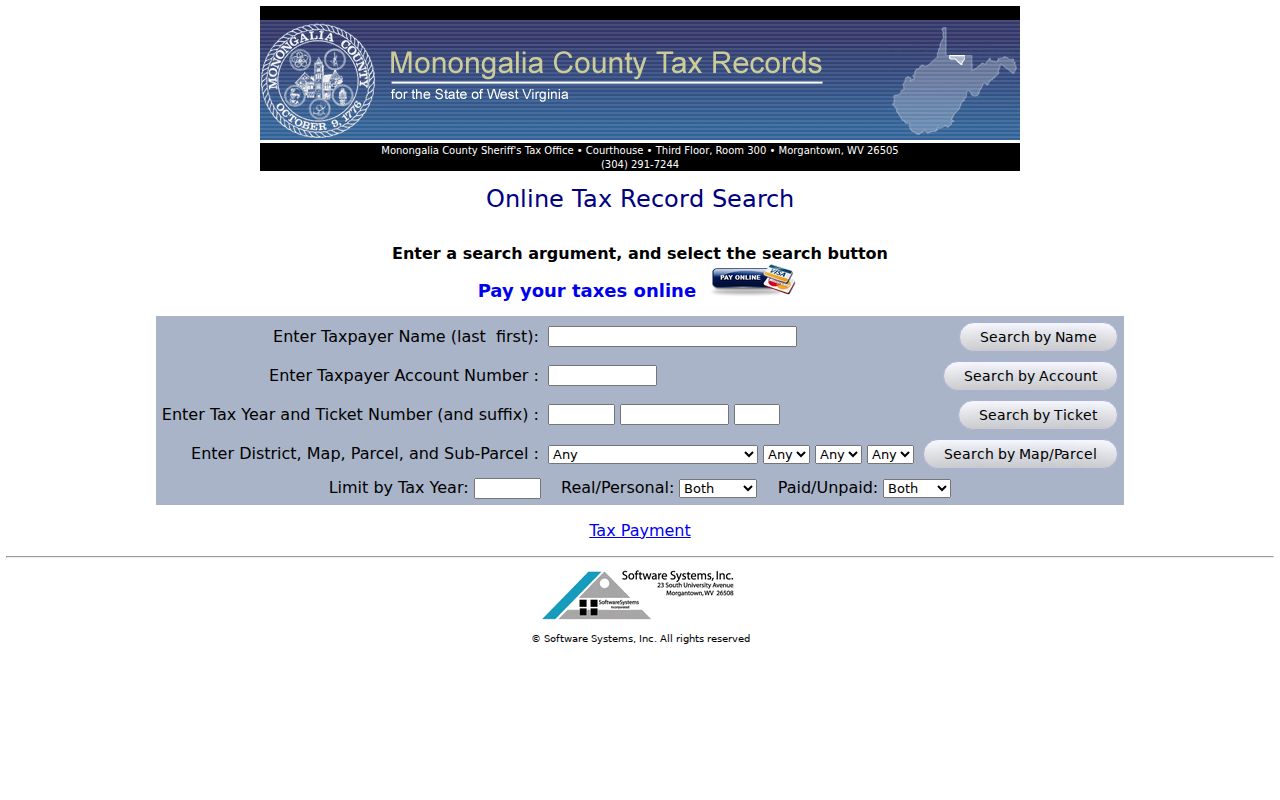
The official page marks the tax service entry point.
Monongalia County Court Records
A property dispute leaves tracks in two places. A court docket may appear alongside the recorded deed or lien, covering foreclosure, partition, quiet title, condemnation, or boundary issues. The Judiciary access page routes both search types. The Magistrate Case Search is free. It takes a name or case number, then a captcha, and it returns up to 30 results. No case documents appear online. Copies come from the filing clerk. Check any online docket text against the official court record before relying on it.
The Clerk's recording index answers a different question than the court portal: a docket traces a case's path. A recorded order, trustee deed, or release is what changes the land-record trail. Older material may take a counter visit. A written request to the clerk works too, and a West Virginia FOIA request should describe existing records with reasonable detail. The custodian need not build a new report. Start with the West Virginia Judiciary Court Record Access page for the current state routes.
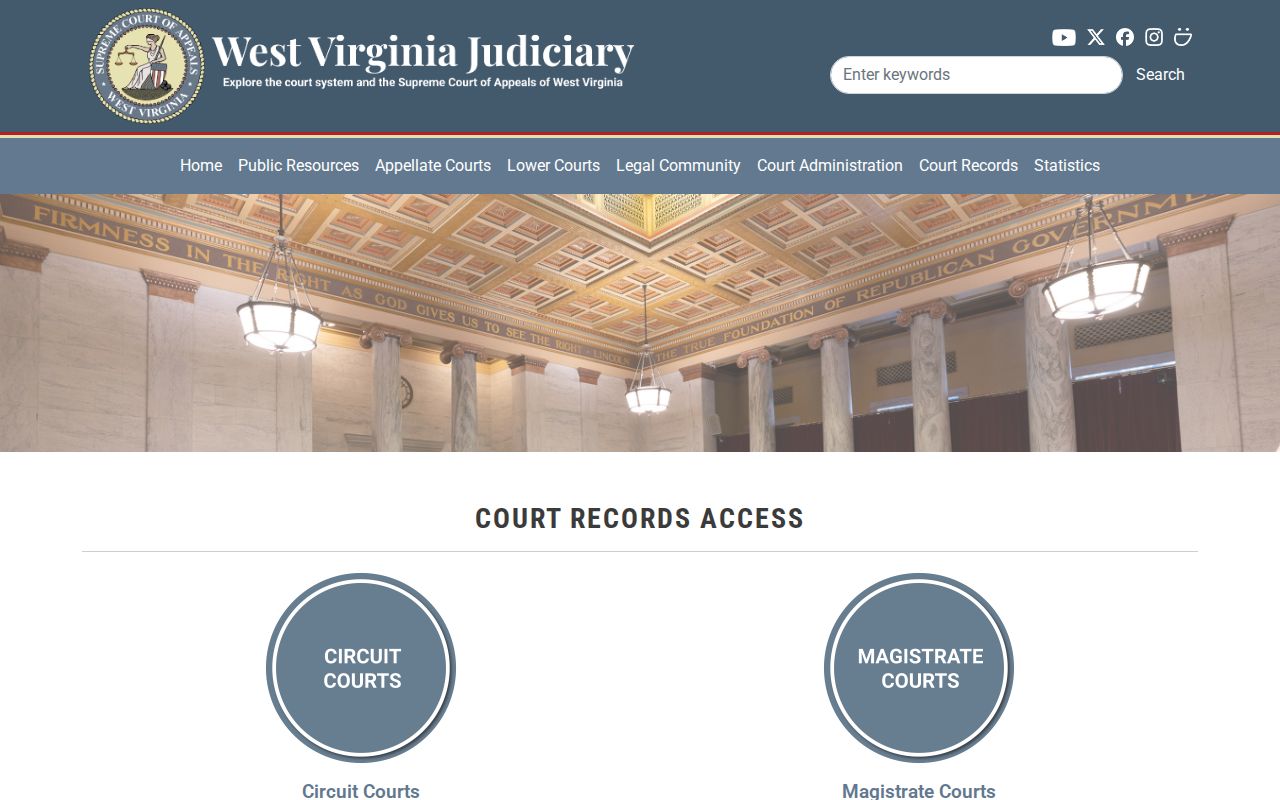
A magistrate result may matter to your case. If so, the Magistrate Case Search adds a separate captcha step and offers no online document downloads.
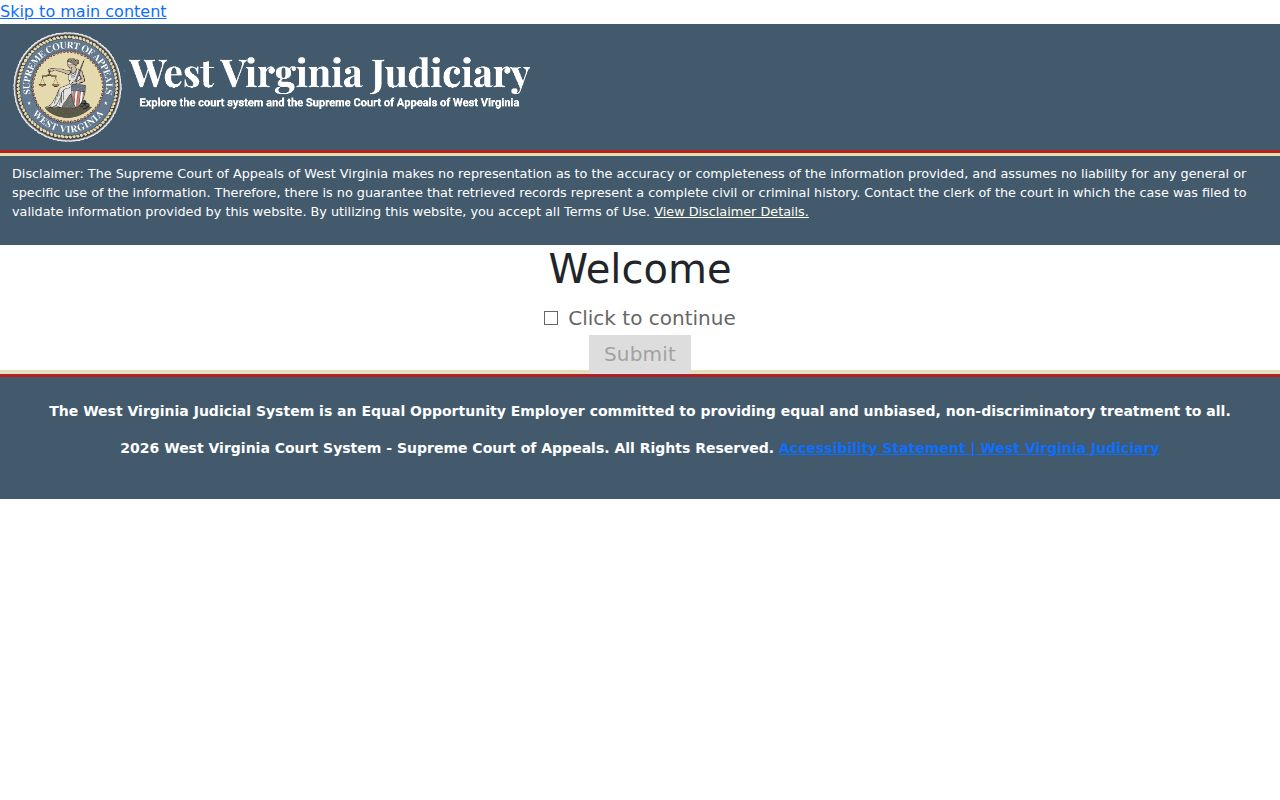
A magistrate search returns limited case details. The filing clerk supplies copies. For family succession, West Virginia Vital Registration handles certified birth, death, marriage, and stillbirth copies, though current certificates are restricted and require eligibility and ID steps. Recorded probate and deed transfers may serve better as a first source for land history. The state lists a $12 fee. Mail, walk-in, and VitalChek order routes are available; review the West Virginia Vital Registration instructions before requesting a certificate.
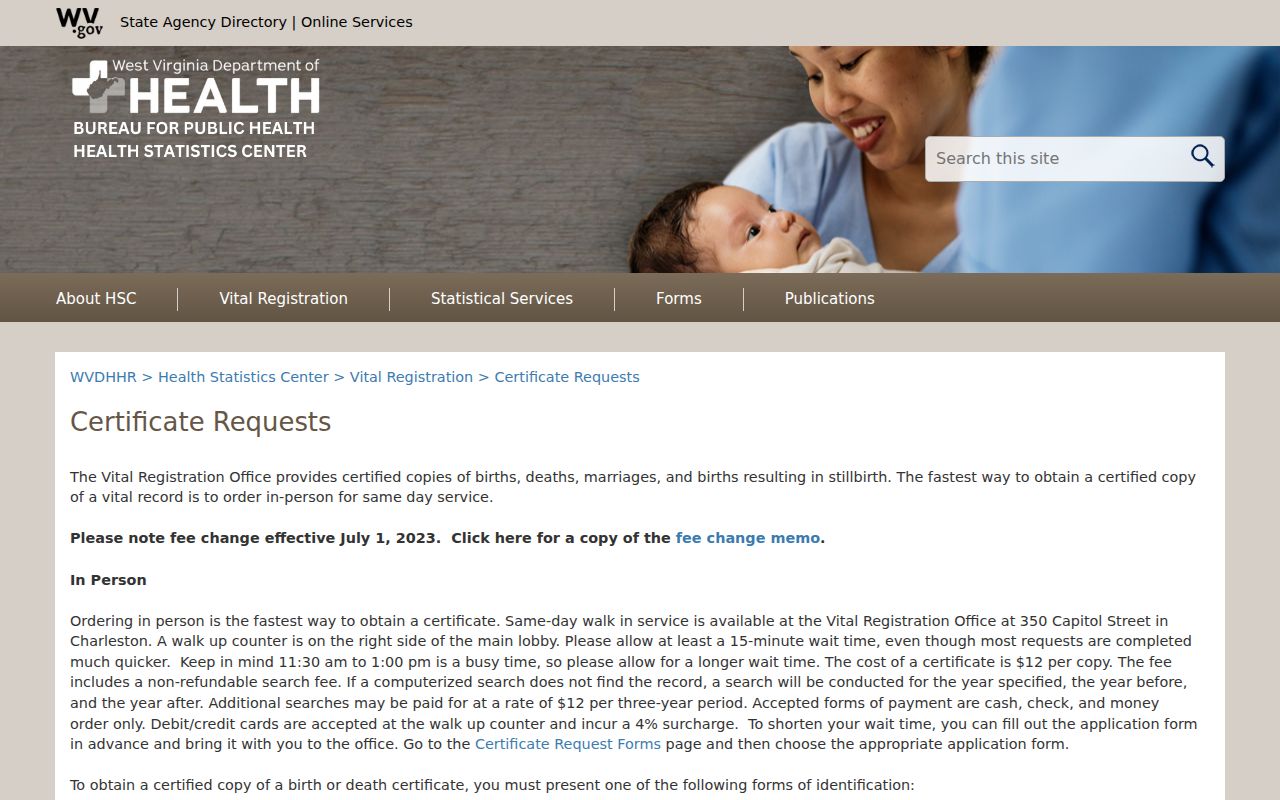
Vital records sit outside the deed index entirely.
Monongalia County Historic Deeds
Monongalia County dates to 1776. Morgantown’s charter is even older than the state, issued in 1785. The Clerk’s index reaches back through several book families. Deed and deed-of-trust books sit alongside the Plat Cabinet, Survey Book, judgment and lien volumes. Estate records, trustee sales, and land redemption entries are part of the same collection. The public IDX publishes no stated earliest year for its online coverage. A FamilySearch grantor-index citation covering 1784 through 1935 is a strong archival lead. It is not proof that every deed image is viewable from home.
For a chain that predates the searchable portal, start with the newest deed’s legal description. Then work backward through grantor and grantee names, one instrument at a time. Ask the Clerk which older index or deed books cover your year. FamilySearch notes that some images require access at a library or an affiliate site. The Library of Congress offers a free 1883 county history. It is packed with local names and places. Treat it as context, not as a substitute for a recorded deed. You can view the digitized 1883 History of Monongalia County as a historical-name lead.
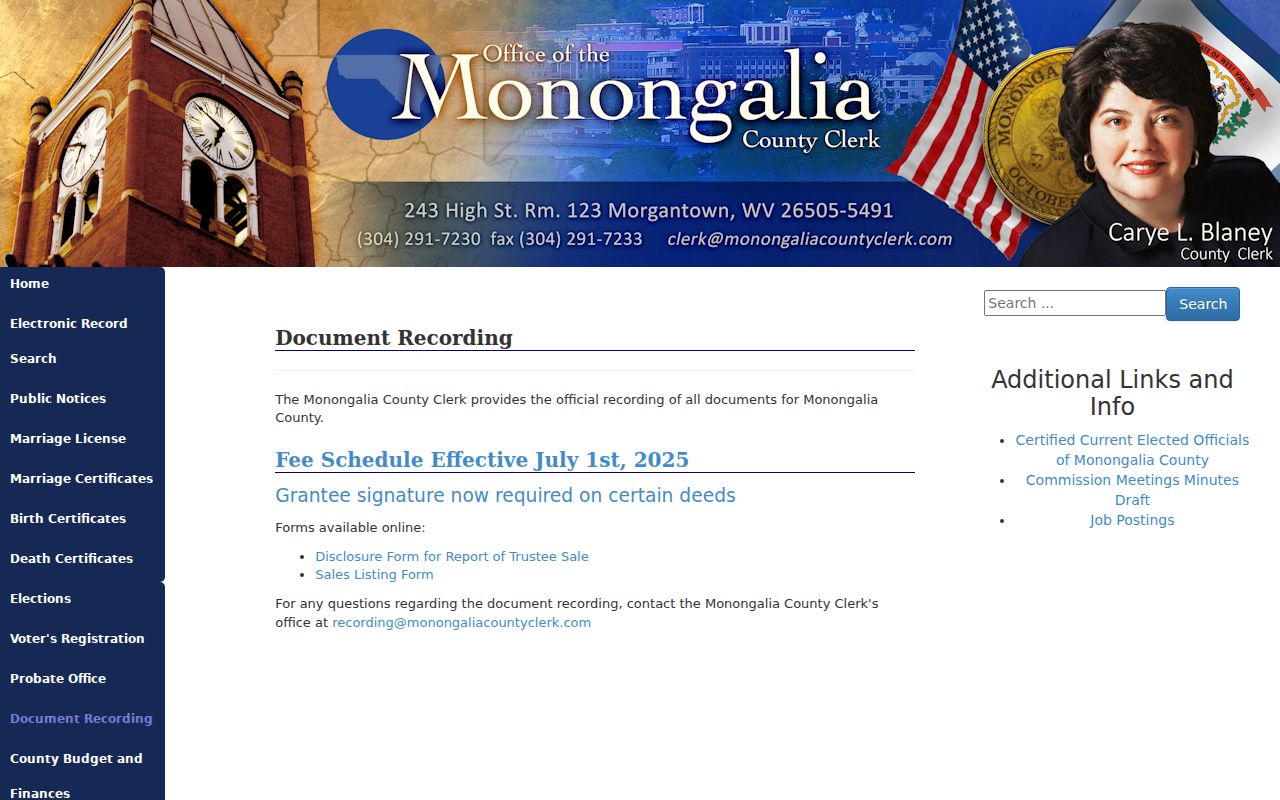
For an older entry, the Clerk’s recording page is the practical route. It answers questions about which books apply, copy fees, and mailed procedures.
Monongalia County City Records
City records add zoning, permit, historic-review, and code-enforcement facts. They do not create a separate city deed office. Morgantown routes permits and licensing through an account-based Access Portal. Its zoning viewer shows city limits. Star City’s zoning map carries an October 2024 effective date. It warns that approved changes can appear later. Westover publishes overall zoning and ward maps. Floodplain and site-plan rules sit in its municipal code. A postal city name alone never establishes which municipality governs a parcel.
In Morgantown, historic districts are useful geography for a plat or permit search. South Park, Downtown, the Wharf and Warehouse district, Chancery Hill, and Greenmont all appear in the record trail. Zoning notices are organized by ward. They can name neighborhoods such as Sunnyside, Evansdale, Woodburn, Suncrest, and South Hills. Near a city edge, check municipal jurisdiction first. Then check the county tax district, parcel geometry, and the E-911 address separately. The Morgantown property-records page follows the city-specific permit and historic-record trail. The West Virginia county profile identifies Morgantown as the county seat while listing local communities.
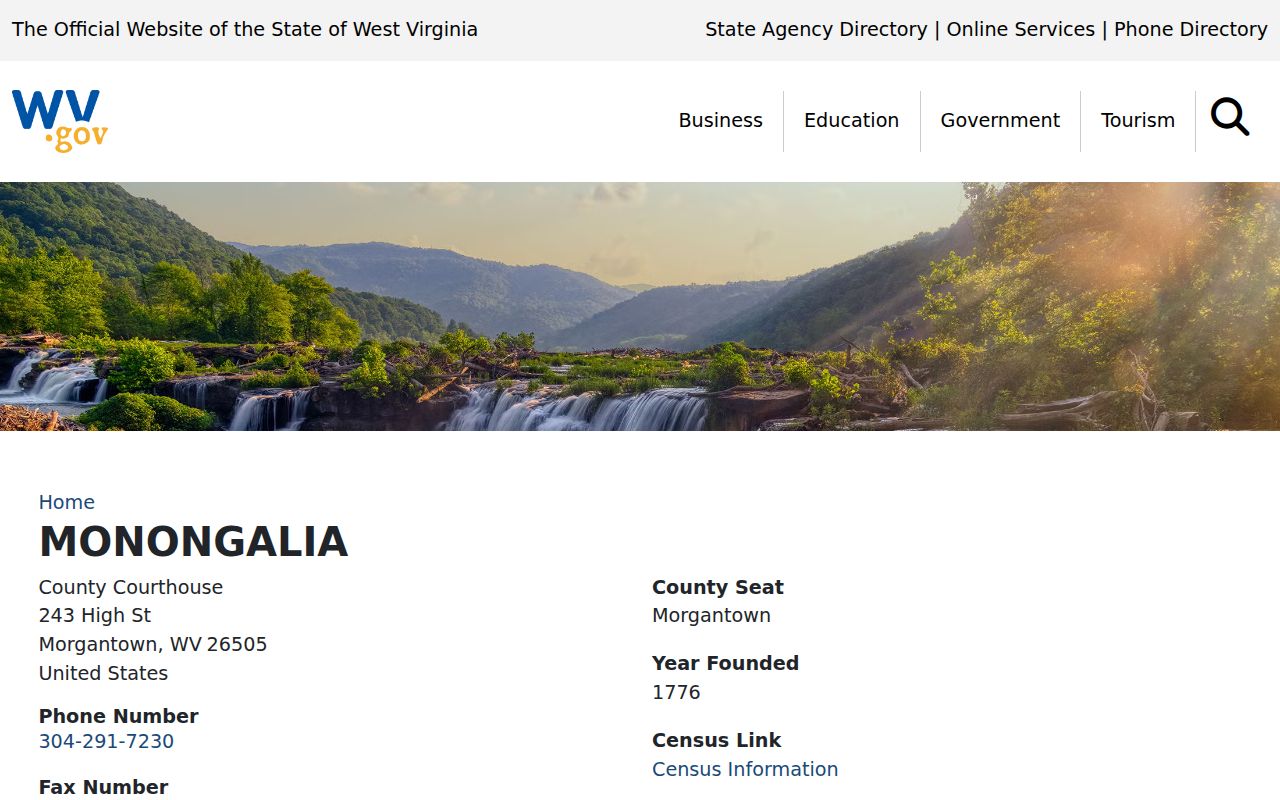
The state county profile helps orient the municipal names. The county offices still hold the land and assessment records.
Monongalia County Record Limits
A deed can appear in Monongalia County’s records. So can a tax assessment or a recorded lien. The list also runs to a parcel classification, a tax bill, a flood layer, or a zoning step. They do not all update together. A recent deed can be newer than the annual assessment view. A tax map is only a best-fit reference drawing. The surface parcel viewer does not establish mineral title. A recorded consideration may not equal an arm’s-length market price. Compare the record date and its source before drawing any conclusion.
Use FOIA to request an existing public record from its custodian. Do this when it is not online. West Virginia’s law calls for a response within five days, excluding weekends and legal holidays. It does not require an office to create a new summary or analysis. Public records support lawful title research, family history, and civic review. They are not a license to target or harass an owner.
Use records with care. A Monongalia County property-record search is not a title opinion, survey, or appraisal. Verify important facts with the Clerk, Assessor, Sheriff, or municipal custodian, and do not use owner information to stalk, harass, or harm anyone.